Why fall matters for North Texas roofs
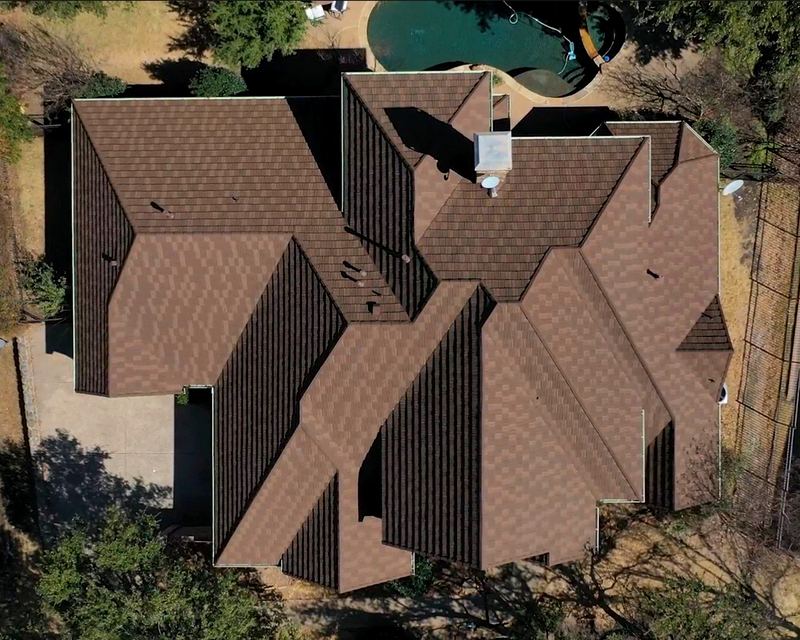
North Texas roofs spend summer baking under triple-digit heat, which dries out shingles and can loosen sealant strips. Fall brings heavier rain and the first real cold nights, and both expose whatever the heat weakened. A roof that looked fine in July can start leaking the first time a fall storm sits over Garland for a few hours.
Fall is also the calm window between storm seasons, after spring hail and summer heat but before winter freezes. That makes it the easiest time to book an inspection and handle any roof repair before you're dealing with a wet attic during a cold front.
Start with a visual roof inspection
You don't need to climb up there yourself to get useful information. From the ground, or from a ladder against the gutter line, look for shingles that are curling, cracked, or missing. Check for granules collecting in the gutters, a sign the shingle surface is wearing thin, and look at the ridge cap for lifted or cracked pieces, since that's one of the first places wind gets underneath a roof system.
If your roof took hail earlier this year and hasn't been looked at, fall is a reasonable last call before winter. Our guide on spotting storm and hail damage walks through what bruised shingles look like up close.
Clear gutters and downspouts before the rain comes
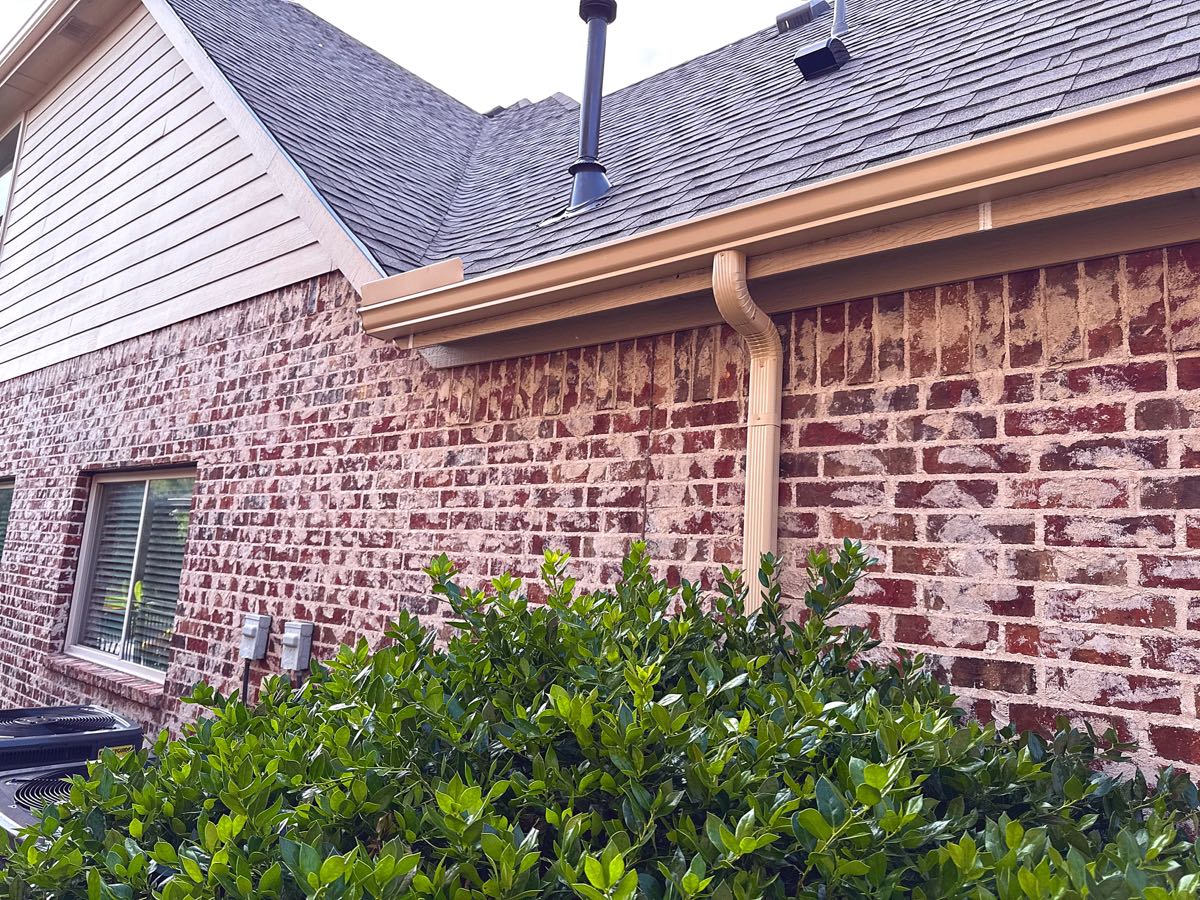
Clogged gutters are the most common cause of fall water problems on North Texas homes. Leaves, seed pods, and roofing granules build up over summer, and when the first heavy rain hits, water has nowhere to go but over the edge and down the fascia board. Scoop out the debris, flush the gutters and downspouts with a hose, and make sure water exits a few feet away from your foundation.
While you're up there, check that the gutters are still pitched toward the downspouts and that hangers haven't pulled loose. If your current gutters are undersized, sagging, or rusting through, ask about a gutter replacement rather than patching the same system again next fall.
| Task | Why it matters | How often |
|---|---|---|
| Clean gutters and downspouts | Stops overflow, fascia rot, and water pooling near the foundation | Fall and spring, minimum |
| Visual shingle check | Catches summer heat damage before fall rain finds the gap | Twice a year |
| Trim overhanging branches | Reduces debris load and limb-strike risk in fall wind | Annually, before fall |
| Check flashing and pipe boots | The most common leak points on an otherwise sound roof | Annually |
| Attic check for stains or damp insulation | Often the first visible sign of a slow leak | Every fall |
Trim trees and clear the roofline
Overhanging branches drop leaves and seed pods into your gutters all fall, and a heavy limb can scrape or crack shingles when the wind picks up. Cut back anything hanging within a few feet of the roof, and clear leaf piles that build up in valleys, where roofs meet at an angle and debris collects. Left alone, that buildup holds moisture against the shingles long after a storm passes.
Check flashing, vents, and pipe boots
Flashing is the metal that seals your roof around chimneys, skylights, and where two roof planes meet. Pipe boots are the rubber collars around plumbing vents. Both wear out faster than the shingles around them and are common places for water to sneak in during a fall rain. Look for flashing that's lifted, rusted, or has gaps in the sealant, and pipe boots that are cracked or shrunken from the summer sun. These are quick fixes when caught early and expensive drywall repairs when they aren't.
Watch for these attic and ceiling warning signs
Finish the checklist inside. Grab a flashlight and look at your attic for brown or yellow staining on the decking, damp or matted insulation, or daylight coming through anywhere it shouldn't. Downstairs, a soft ceiling spot or a musty smell in an upstairs closet can mean the same thing: a slow leak running longer than you'd guess. None of these are emergencies by themselves, but they're reasons to get a professional look before winter, not after the next storm. If you're in Garland or a nearby city, Benchmark's free inspection covers the roof, gutters, flashing, and attic in one visit.