What should I do first after a hail or wind storm?
The first priority is safety, not the roof. Stay off the roof and away from any downed power lines, and check the inside of your home for water stains on ceilings or walls. Most roof damage can be assessed from the ground or by a professional. You don't need to climb up to start the process.
Step 1: Stay safe
- Keep off the roof. Wet, hail-bruised shingles are slick and dangerous.
- Watch for downed power lines and standing water near outlets.
- Check ceilings and attic spaces for active drips before they spread.
Step 2: Document the damage
Good documentation is the backbone of a smooth insurance claim. Photograph everything you safely can, and write down the date and time of the storm while it's fresh.
- Take wide and close-up photos of the roof, gutters, downspouts, screens, and any dented metal.
- Photograph interior water stains, ceiling spots, and damaged belongings.
- Note the storm date. Insurers tie claims to a specific date of loss.
Step 3: Stop further damage (temporary tarping)
If water is actively coming in, place a tarp over the affected area or a bucket under the leak to limit interior damage. Insurance expects you to take reasonable steps to prevent the problem from getting worse. Keep receipts for any materials you buy. If tarping isn't safe to do yourself, call a roofer for roof tarping. Most will tarp a leak quickly.
Step 4: Get a free professional inspection
Before you call your insurance company, have a licensed roofer inspect the roof. A professional can spot hail bruising, lifted shingles, and flashing damage that isn't visible from the ground, and document it in a report that supports your claim. We provide this inspection free, with no obligation.
Step 5: File your insurance claim
With your inspection report and photos in hand, file the claim with your insurer. They'll assign an adjuster to inspect the roof. It helps to have your roofer present for that meeting so the damage is documented consistently. We routinely meet adjusters on our customers' behalf. Learn more on our storm damage & insurance claims page.
What does roof hail damage actually look like?
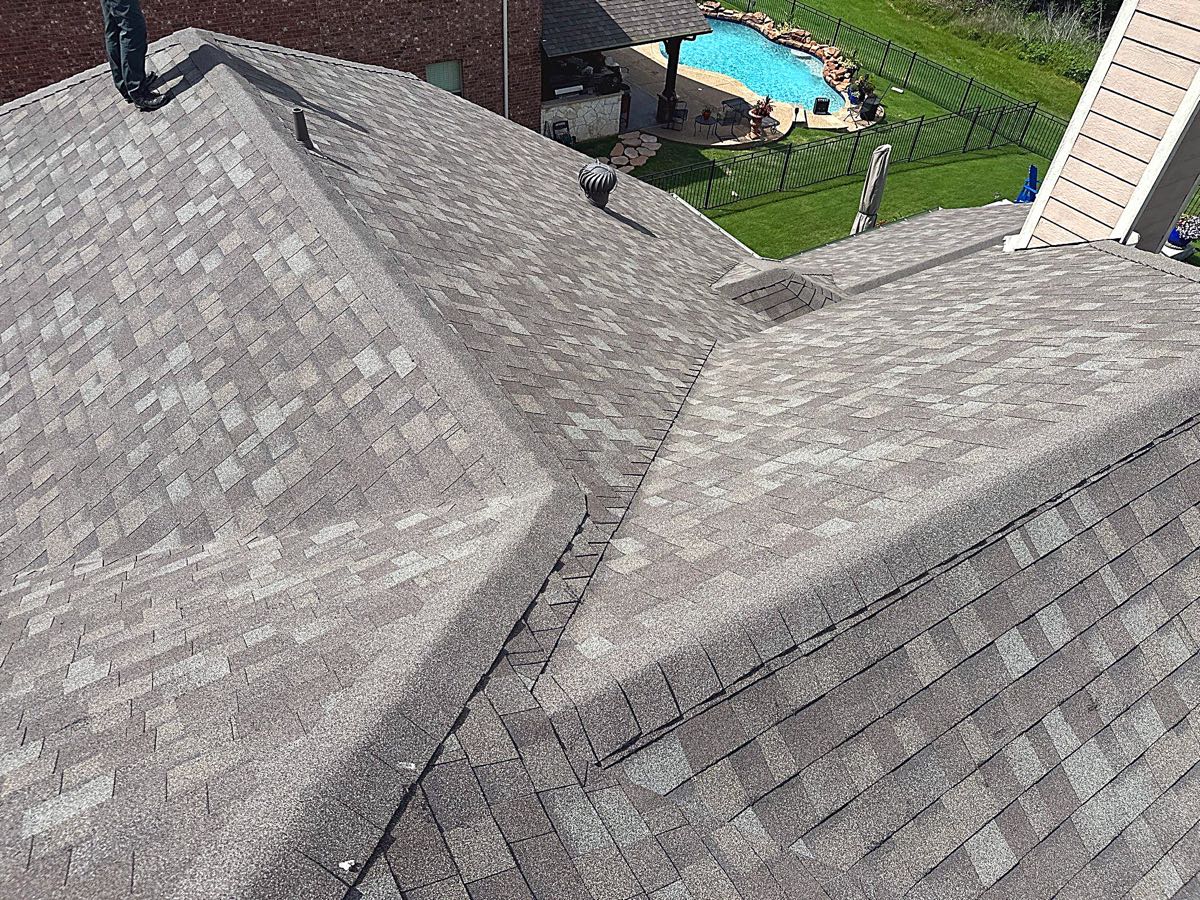
Hail damage is often subtle. On asphalt shingles, it shows up as dark, soft bruises where the protective granules have been knocked loose, exposing the black mat beneath. Other telltale signs:
- Dented or dinged gutters, downspouts, and metal vents.
- Bent fins on your outdoor AC unit.
- Cracked or split shingles, and granules collecting in gutters.
- Dings on window screens, fascia, and garage doors.
For a closer look at each sign, and the roof wear that gets mistaken for hail, see what hail damage looks like on a roof.
Because so much hail damage is invisible from the ground, North Texas homeowners often have damage they never notice, until a leak shows up months later. After a significant storm, it's worth having a professional get your roof looked at before you file, even if it looks fine from the driveway.
How long does the process take?
A free inspection takes about an hour. Filing the claim and getting an adjuster scheduled usually takes one to three weeks, depending on how busy the area is after a widespread storm. Once the claim is approved, the actual roof replacement typically takes just 1 to 2 days for most homes.
Why timing matters in North Texas
DFW sees some of the most frequent and severe hail in the country, especially in spring. After a major storm, adjusters and reputable roofers get booked fast, and your policy's filing window is ticking. Acting quickly (document, inspect, file) gets you to the front of the line and protects your right to a covered claim.