What "builder-grade" actually means
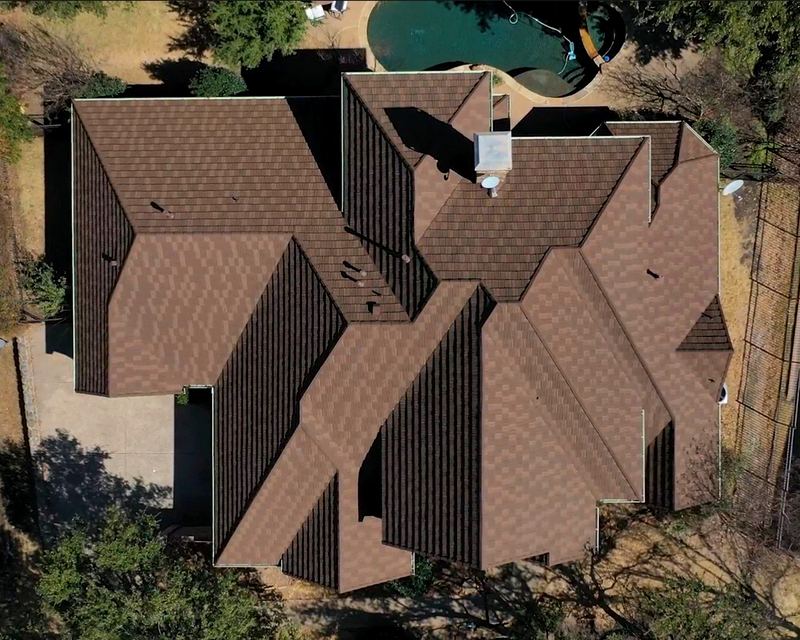
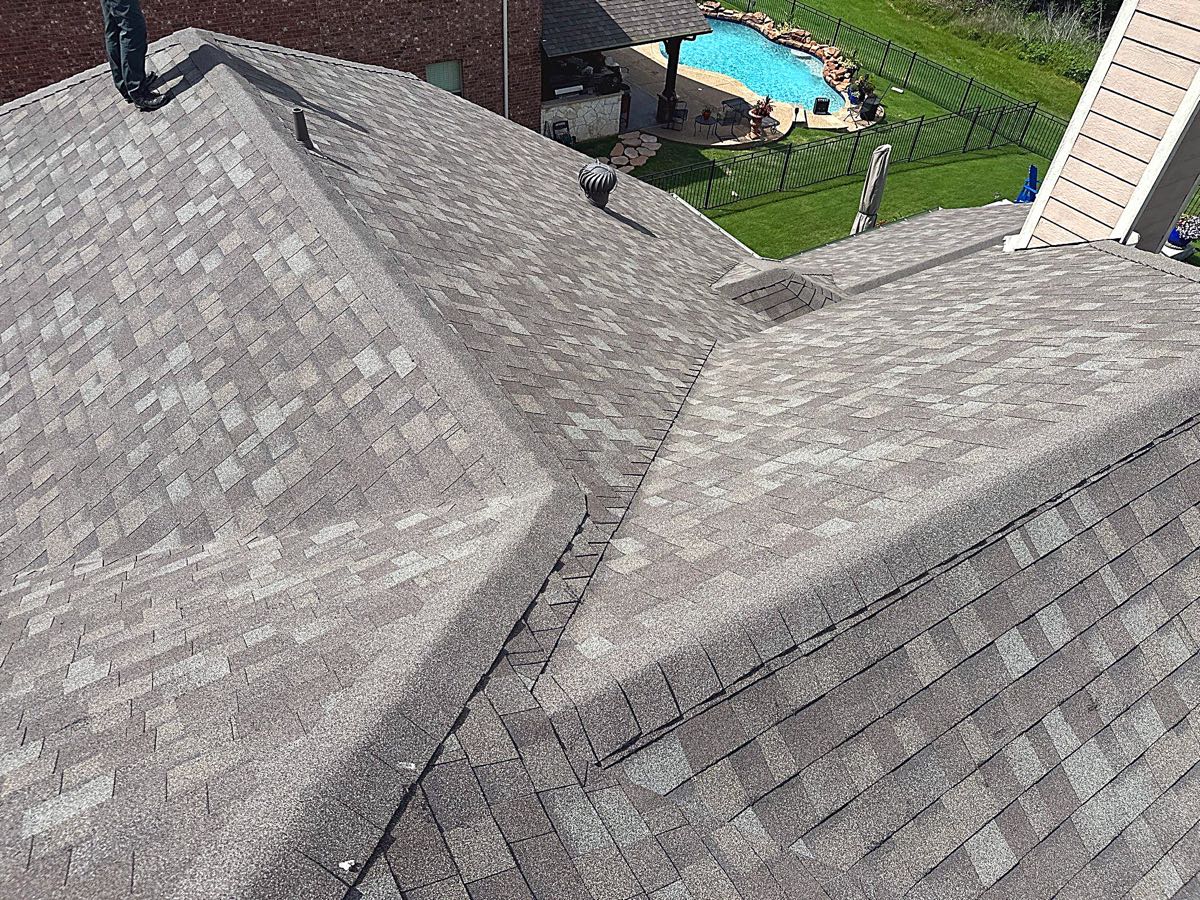
Production builders price roofing as one line item among hundreds, and the shingle that shows up on the bid is almost always whichever product meets the local building code at the lowest cost per square. That's usually a standard 3-tab shingle or the cheapest architectural line a manufacturer sells. Nothing about it is defective. It passes inspection, it carries a manufacturer warranty, and it looks fine sitting under a new subdivision's uniform roofline. It just isn't chosen with hail in mind, because hail resistance isn't what a builder's spec sheet is optimizing for.
You'll see the same pattern in the newer sections of both cities. Sachse's building boom through the 1990s and 2010s, including Woodbridge and Ranch Estates, went up on first-generation asphalt shingles. Wylie's faster-growing subdivisions like Bozman Farm and Inspiration are newer, but they were built the same way, on standard builder-grade shingles rather than anything upgraded for storm exposure.
How long builder-grade shingles actually last here
On paper, a 3-tab shingle carries a lifespan of roughly 15 to 20 years, and a basic architectural shingle stretches closer to 20 to 25. Those numbers assume ordinary sun and weathering, not the hail load that Sachse and Wylie see most years. Wylie's position along Lake Lavon adds extra wind exposure on top of the hail, which speeds up wear on roofs that are already working with a thinner margin. A builder-grade roof in either city can show real damage well inside its rated lifespan, sometimes as early as year eight or ten, especially after a season with more than one significant storm.
Builder-grade vs. upgraded shingles, side by side
Here's roughly how the common options compare for a typical North Texas home:
| Shingle type | Typical lifespan | Hail performance |
|---|---|---|
| 3-tab (typical builder-grade) | 15 to 20 years | Unrated or lowest impact class |
| Standard architectural | 20 to 25 years | Better, still often unrated |
| Class 4 impact-resistant | 25 to 30+ years | Top UL 2218 rating, built for repeated hits |
The Class 4 option costs more up front, but it's the one built specifically for what Sachse and Wylie roofs actually face. We cover how that upgrade and the required Texas insurance discount work in detail in our Class 4 shingle guide.
Warning signs a new-build roof is already wearing thin
You don't have to wait for a leak to know something's off. Watch for:
- Granules collecting in the gutters, especially after a rainstorm, which means the shingle's protective coating is wearing away.
- Dark, bruised, or dimpled spots on the shingle surface after a hailstorm, even if nothing looks torn or missing from the ground.
- Cracked or curling shingle edges, which usually shows up first on south- and west-facing slopes that take the most sun.
- Missing tabs or lifted shingles after a windy storm, a sign the seal strip never bonded as well as it should have.
None of these are emergencies on their own, but they're worth a free look, especially right after a storm rolls through either city.
Is it worth upgrading before you need a full replacement?
If your builder-grade roof is still healthy, there's no reason to replace it early just to get a better shingle. The upgrade makes the most sense at a natural decision point, like when a hail claim already has you replacing the roof anyway, or when the original shingles are aging out on their own. At that point, asking for Class 4 impact-resistant shingles instead of a like-for-like builder-grade replacement is a small step that pays off the next time hail comes through. Our roof replacement team can walk you through the material options and what each one costs installed.
What happens if hail hits a newer, builder-grade roof
Age and original construction don't disqualify a roof from a claim. If a storm causes real damage, a Texas homeowner policy generally covers the repair or replacement minus your deductible, the same as it would on an older home. The trick is getting the damage documented well enough that the adjuster agrees with what you're seeing. Our storm damage team inspects for free, documents every hit, and meets your adjuster on site for homeowners throughout Sachse and Wylie. If you're not sure whether your policy would even cover it, our guide on whether insurance covers roof replacement in Texas walks through how that process works.