Why these ranch homes wear out roofs faster
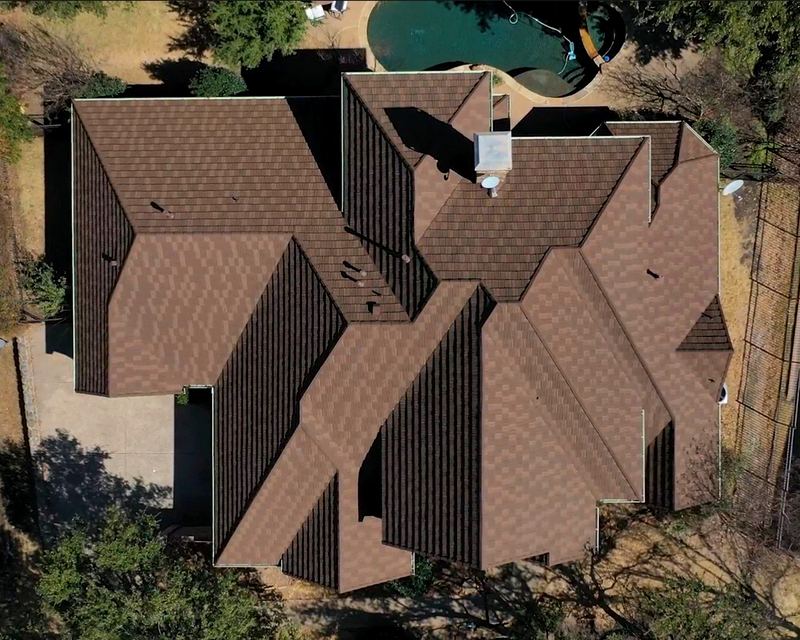
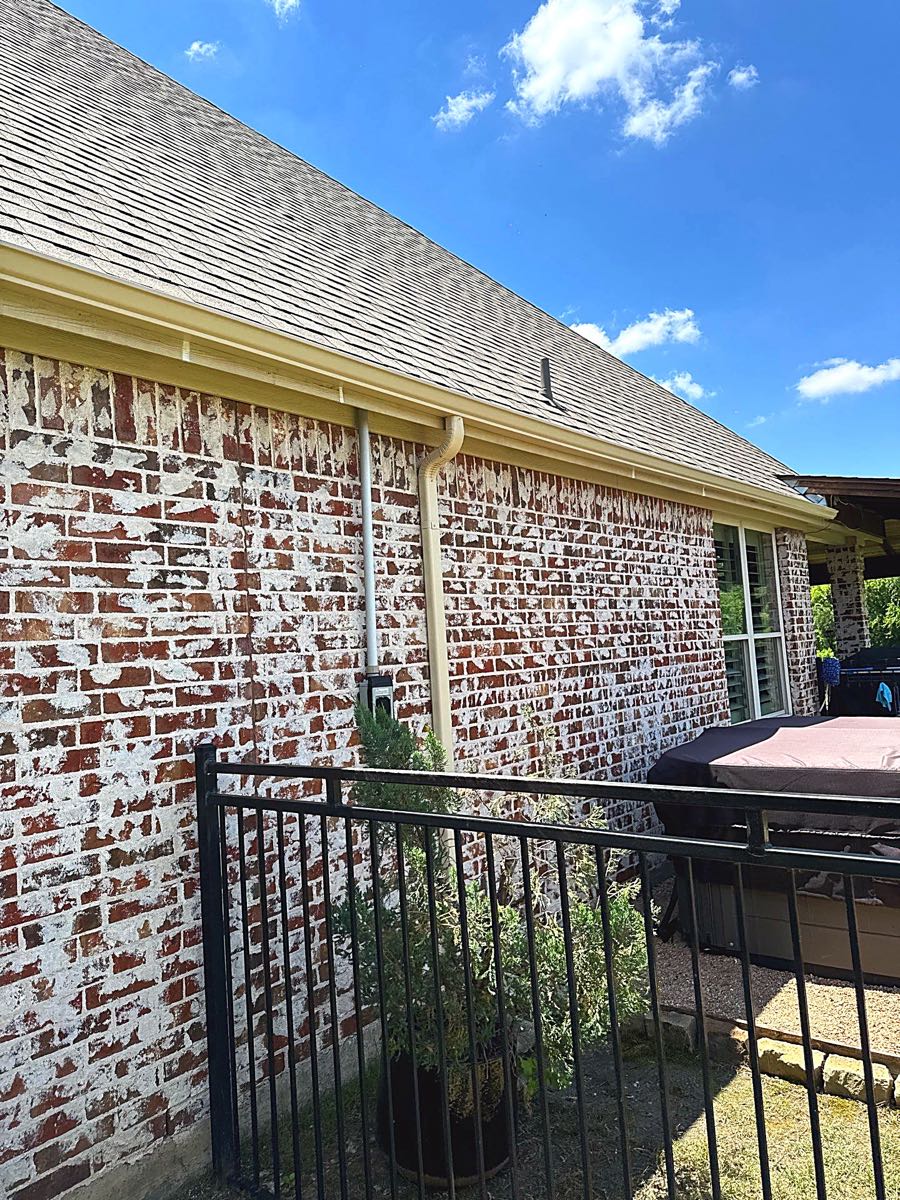
Lake Highlands, Casa Linda, and the neighborhoods around Walnut Hill and Royal Lane grew up mostly in the 1950s through the 1970s, and a lot of that original housing stock is still standing on single-story ranch homes with low-slope hip roofs and wide overhangs. Those rooflines were common and attractive for the era, but they shed water more slowly than a steep gable roof, and the wide overhangs create more edge and eave area for wind-driven rain to get under.
Add decades of DFW heat and hail on top of that, and you get roofs that look fine from the curb but are carrying damage nobody has seen yet. See our guide on how long a roof should last in North Texas for what to expect by material and age.
Signs it's a repair, not a full replacement
Not every hail hit means a new roof. These signs usually point toward a smaller job:
- Isolated damage on one slope: A handful of dented or cracked shingles in one area, with the rest of the roof intact.
- A roof under 15 years old: Newer material generally has enough life left to be worth repairing instead of replacing.
- No active leaks: If the attic is dry and the decking underneath feels solid, a targeted repair often holds.
- Flashing or vent issues: Loose flashing around a chimney or a cracked vent boot is usually a quick fix, not a sign the whole roof has failed.
Repair or replace: how we make the call
| What we find | Usual recommendation |
|---|---|
| Isolated hail damage, roof under 15 years old | Targeted repair |
| Original or one-time-replaced roof, 25+ years old | Full replacement |
| Damage spread across multiple hips or valleys | Full replacement |
| Soft decking, attic leaks, or daylight at the eaves | Full replacement, decking repair included |
On a low-slope hip roof, we'd rather walk it and tell you the truth than guess from the driveway. These older ranch homes often qualify for a repair the first time and a replacement the second, once age and storm history have both caught up.
The April 2026 storms and this corridor
Northeast Dallas took hail from the storm system that moved through Dallas County in late April 2026, part of the broader outbreak that hit North Texas that week. Golf ball-size hail was reported in parts of the corridor, and homes with original 1970s roofs are the ones most likely to have taken real damage, even where it isn't visible from the ground. If a storm has passed over your block since then and nobody has checked your roof, that's worth doing before the next one.
Insurance, your deductible, and filing in Dallas
If hail or wind caused the damage, a Texas homeowner policy generally covers a storm-damaged roof replacement minus your deductible. Texas Insurance Code Section 707.003 requires you to pay that deductible yourself, so treat any contractor who offers to cover it as a red flag. Policy type matters too on an older roof: Actual Cash Value policies factor in depreciation, so a 1970s original roof may see a smaller payout than a newer one. See our guide on what Texas insurance actually covers for the full breakdown.
What to expect from a Lake Highlands roof replacement
Most homes in this part of Dallas are single-story with a straightforward hip roofline, so a full tear-off and replacement usually wraps up in one to two days. We haul off the old material the same day, protect mature landscaping that's common on these older lots, and walk you through material choices, including Class 4 impact-resistant shingles that hold up better against the next hail season. See the full process on our roof replacement page, or check Dallas service area coverage.